
When the final whistle echoes through M&T Bank Stadium and tens of thousands of fans stream into the Baltimore night, silence does not immediately follow. Instead, a different kind of activity begins under the glowing stadium lights, led by people rarely seen in headlines.
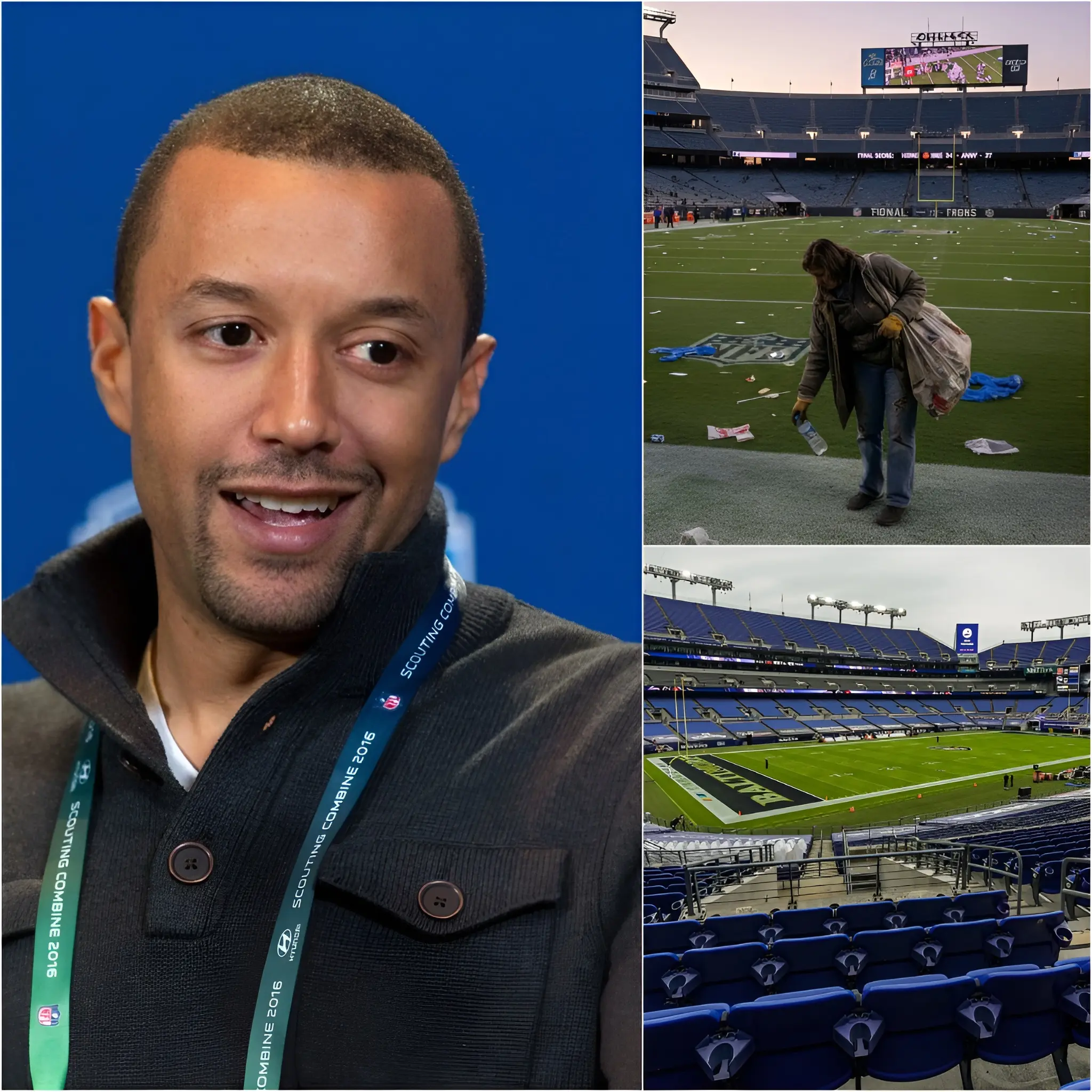
The Baltimore Ravens recently announced a program that has drawn national attention: hiring homeless individuals to help clean the stadium after weekend games. The initiative pays $20 an hour and provides hot food and drinks, offering dignity alongside wages.
At first glance, stadium cleanup may seem routine, but the Ravens’ approach carries deeper meaning. These workers are not temporary contractors brought in quietly; they are people who have often been overlooked, now stepping into visible, purposeful roles.
As fans leave behind empty cups, food wrappers, and banners, these newly hired workers arrive with brooms, gloves, and trash bags. Many of them once slept on Baltimore’s streets, shelters, or cars, struggling to find consistent opportunities.

For the Ravens organization, the program represents more than cleanliness. Team executives say it reflects a commitment to the city that supports them, acknowledging that professional sports franchises exist within broader social realities.
Baltimore has long faced challenges related to homelessness, housing insecurity, and unemployment. While charities and nonprofits play vital roles, the Ravens believe employers can also make a tangible difference through direct, paid work.
Participants are recruited through partnerships with local shelters and outreach organizations. Caseworkers help identify individuals interested in short-term, flexible employment, particularly those not yet ready for full-time positions due to personal circumstances.
The work schedule is intentionally designed to be manageable. After weekend games, cleanup shifts last several hours, allowing participants to earn immediate income without overwhelming physical or mental demands.
Paying $20 an hour was a deliberate choice. Ravens officials acknowledged that minimum wage would undervalue the labor and fail to meaningfully impact workers’ lives, even for a single night’s work.
In addition to wages, hot meals and drinks are provided on-site. For some participants, this means ending the night with warmth, nourishment, and a sense of routine that has long been absent from their lives.
One participant described the experience as “being treated like a person again.” Wearing a staff badge and working alongside others created a feeling of belonging that money alone could not replicate.
Stadium staff were briefed in advance, emphasizing respect and inclusion. Supervisors were instructed to treat participants as colleagues, not charity cases, reinforcing a culture of dignity and mutual accountability.
The Ravens’ initiative has also sparked conversations among fans. Many expressed pride in supporting a team that invests in social impact, while others admitted they had never considered who cleans stadiums after games.
Social media reactions ranged from praise to cautious optimism. Supporters applauded the wages and food, while skeptics questioned whether temporary work could create lasting change for people facing homelessness.
Experts note that while one program cannot solve homelessness, employment opportunities are a crucial step. Even short-term work can rebuild confidence, establish references, and reconnect individuals with structured environments.
For some participants, the stadium job has already opened doors. Outreach partners report that several workers have expressed interest in additional shifts or other employment opportunities after gaining recent work experience.
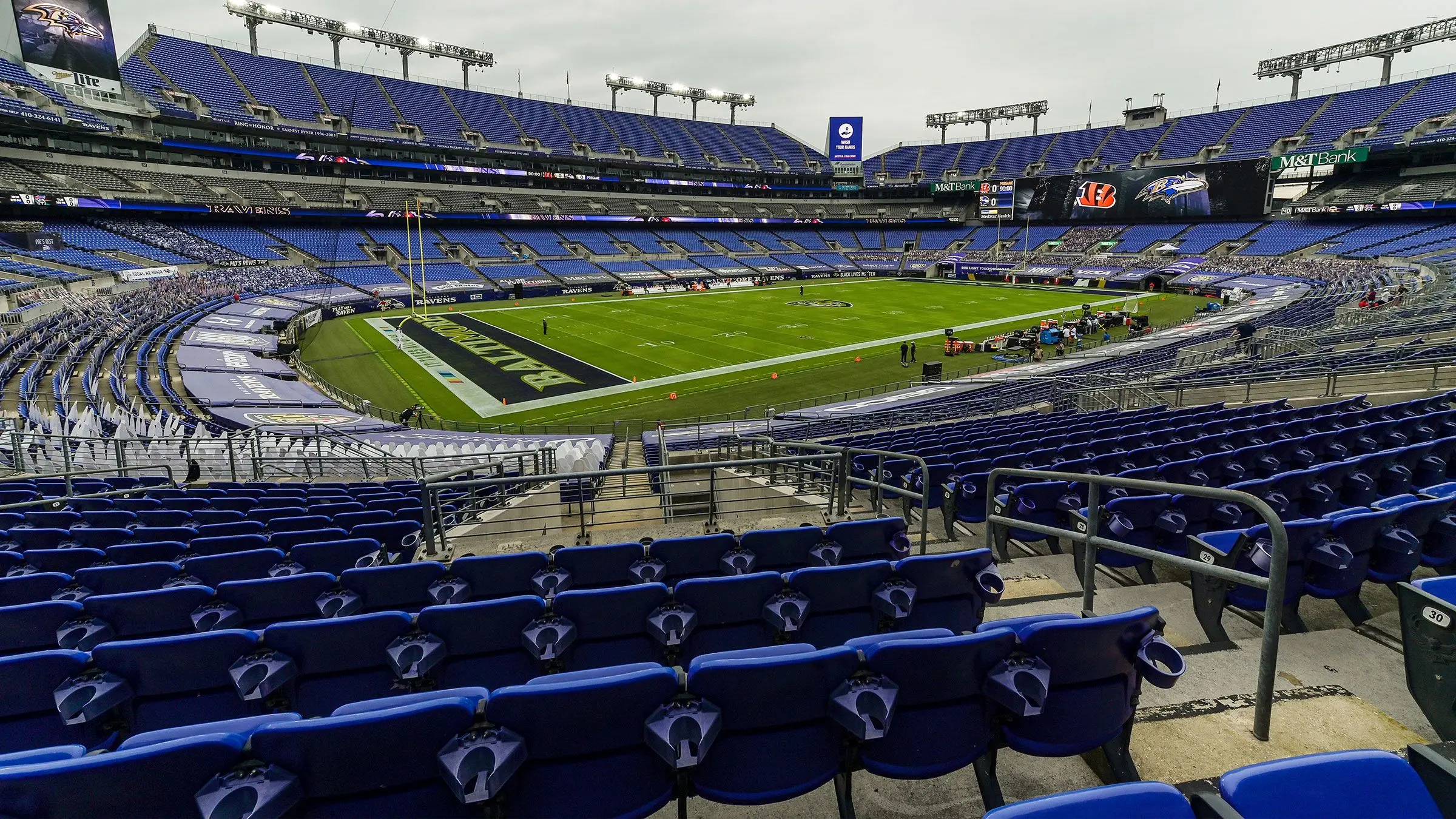
The Ravens stress that the program is not a publicity stunt. Team representatives say it will continue throughout the season and potentially expand to other events held at M&T Bank Stadium.
Financially, the cost is modest compared to the organization’s overall budget. Yet the symbolic value is significant, demonstrating how large institutions can leverage routine operations for social good.
Players have also taken notice. While not directly involved, several Ravens athletes reportedly expressed support, noting that community strength off the field often mirrors success and unity on it.
Baltimore residents familiar with homelessness say visibility matters. Seeing people transition from being ignored on sidewalks to working inside an iconic stadium challenges deeply ingrained stereotypes.
The initiative also reframes the concept of “help.” Instead of donations alone, it offers work, pay, and choice, allowing participants to decide how to use their earnings.
Some critics argue that long-term housing solutions should be the priority. Ravens officials agree, emphasizing that their program complements, rather than replaces, broader efforts led by government and nonprofits.
Local shelters have praised the collaboration, noting that flexible jobs reduce barriers many homeless individuals face, such as transportation issues, irregular schedules, or gaps in employment history.
As cleanup crews work late into the night, the stadium transforms from a roaring arena into a quiet workspace. For many participants, that calm environment offers unexpected moments of reflection and pride.
One worker shared that sweeping the stands where thousands had cheered felt symbolic, as if reclaiming a space they never imagined belonging to just weeks earlier.
The Ravens hope other teams and venues will consider similar programs. Stadiums, arenas, and event spaces across the country generate consistent cleanup needs and could replicate the model.
Beyond sports, the initiative raises questions about corporate responsibility. It suggests that businesses can integrate social impact into everyday operations without sacrificing efficiency or professionalism.
For fans returning the following weekend, the stadium will look spotless, as always. Few will know the personal stories behind that cleanliness, or how a single shift might change someone’s week.
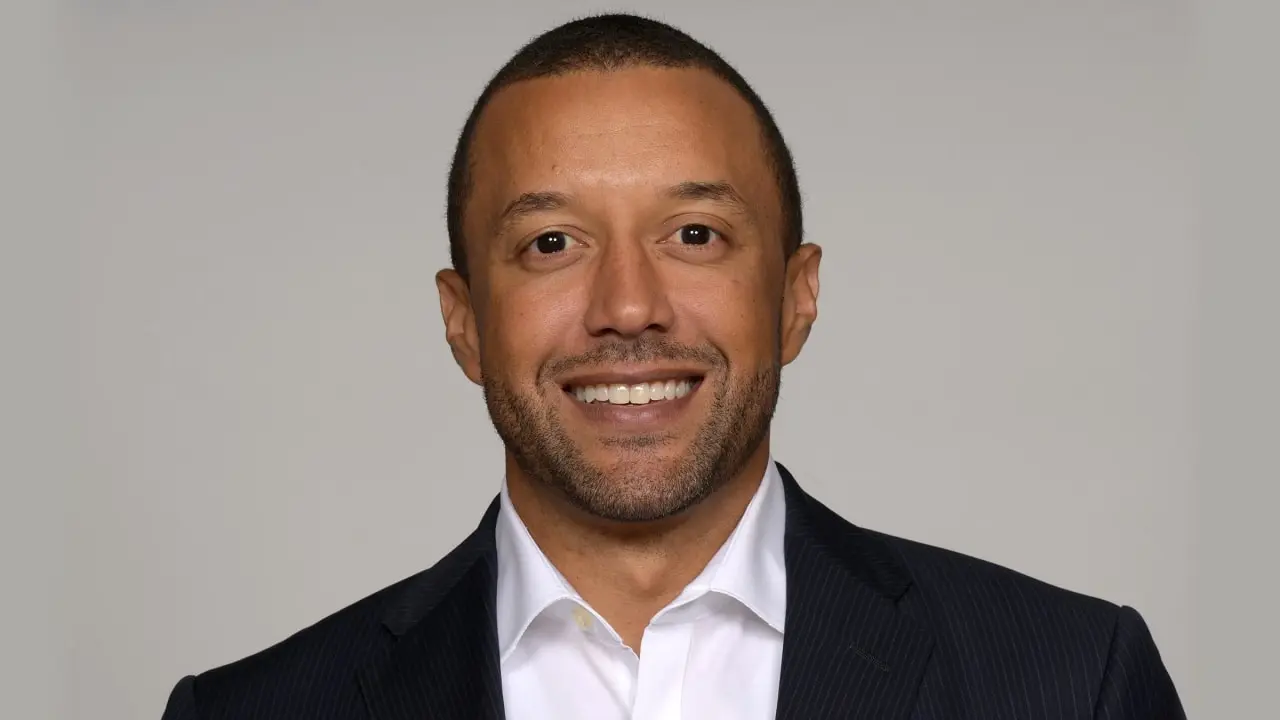
Yet for those who worked under the stadium lights, the experience lingers. Earning money, sharing food, and being trusted with responsibility can reshape how people view themselves.
In a city often defined by its struggles, the Ravens’ program offers a small but powerful reminder that opportunity can emerge in unexpected places, even after the final whistle fades.
Ultimately, the initiative underscores a simple truth: when institutions choose inclusion over indifference, even routine tasks can become acts of quiet transformation, leaving impacts far beyond the field.