
“Sometimes you just know when it’s time for a change.”Mike Evans didn’t name anyone. He didn’t need to.Inside the Buccaneers’ locker room, many believe the message was clear — and Todd Bowles may be the real target.
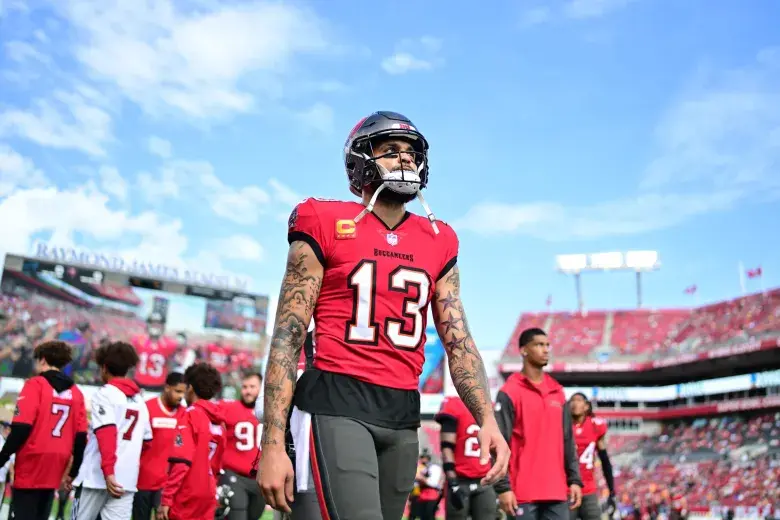
Those words, delivered calmly but with unmistakable weight, have sent quiet shockwaves through Tampa Bay. In a league where players are trained to speak in clichés and deflect controversy, Evans’ statement stood out precisely because of what it did not say. No names. No accusations. No emotional outburst.
Just a veteran star, the face of the franchise, signaling that something fundamental no longer feels right. For those paying attention, it sounded less like a passing comment and more like a verdict that had already been reached.
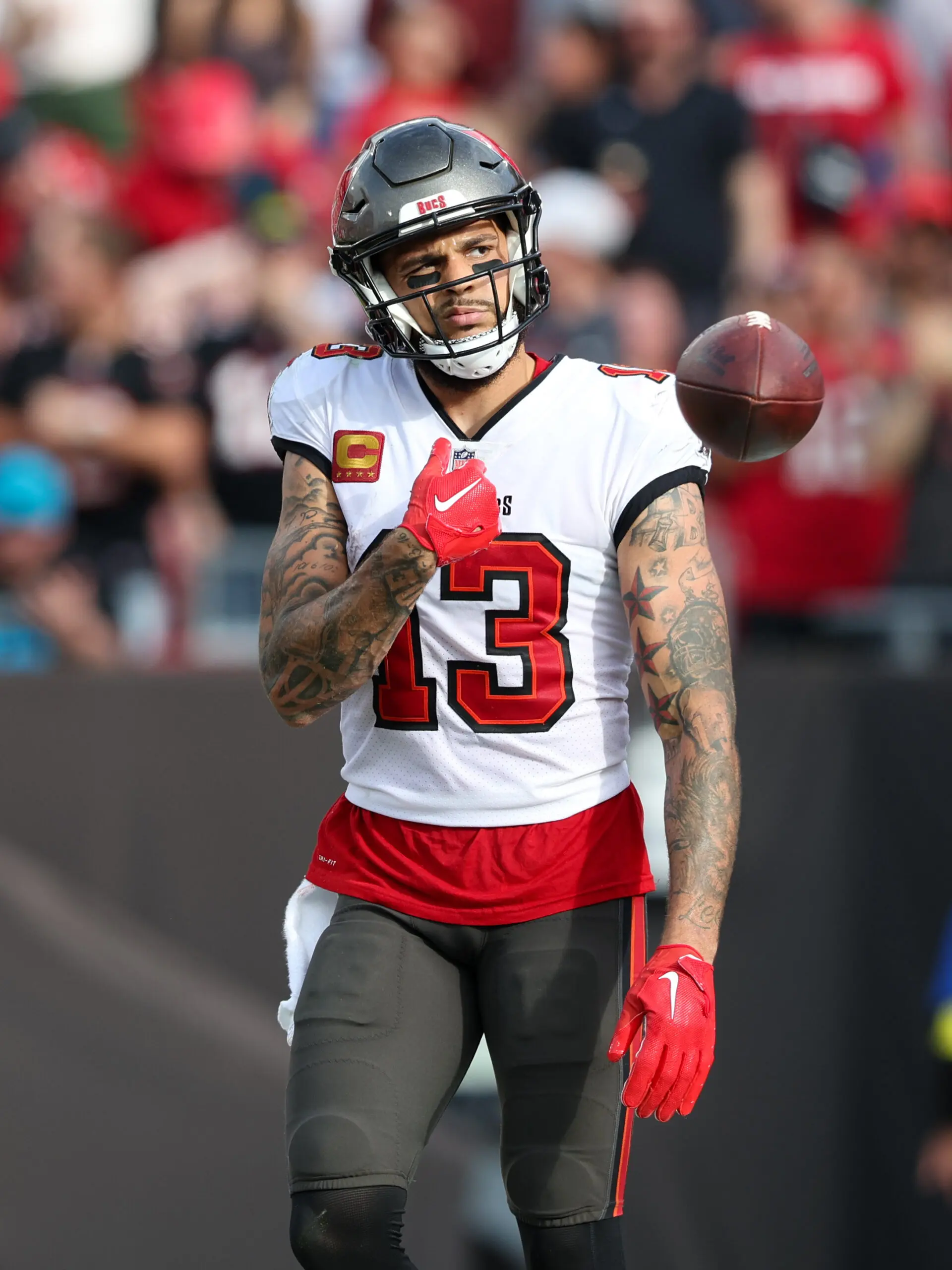
Mike Evans is not known as a complainer. For over a decade, he has embodied consistency, professionalism, and loyalty. Through quarterback changes, coaching turnover, and shifting expectations, Evans has been the one constant. He has produced regardless of circumstances, rarely questioned authority, and almost never aired internal frustrations publicly.
That history is what gives this moment its gravity. When a player like Evans chooses his words carefully and still allows doubt to seep through, the organization listens — even if it pretends not to.
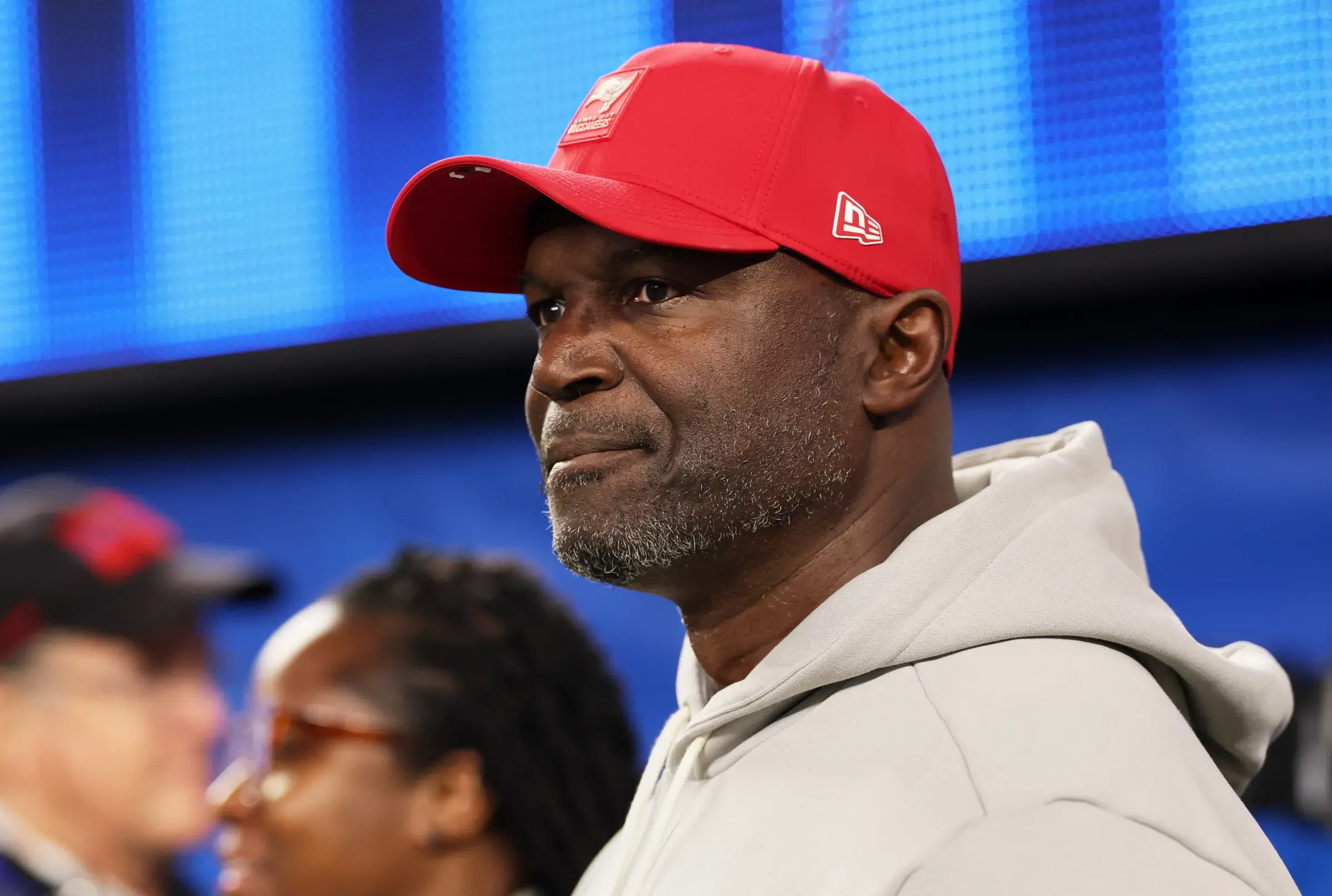
Within the Buccaneers’ locker room, there is a growing sense that the comment reflects more than personal reflection. Several veterans privately believe it echoes a broader fatigue with the current direction under head coach Todd Bowles.
Since taking over, Bowles has been respected for his defensive mind and calm demeanor, but respected does not always mean inspiring. The Bucs have often looked disciplined yet emotionally flat, competitive yet oddly constrained. Wins have felt labored. Losses have felt familiar.
And for a roster that still believes it has more to give, stagnation is the most dangerous opponent of all.
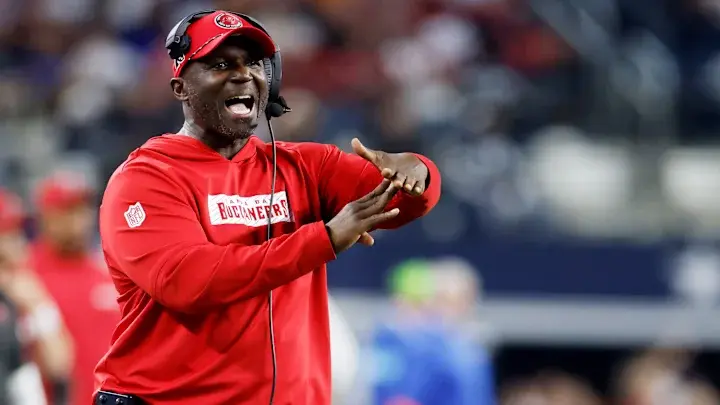
Bowles’ leadership style has long been described as stoic, controlled, and low-key. That approach can work, particularly with young or rebuilding teams. But for a veteran-heavy locker room filled with players who have tasted a Super Bowl and understand what urgency feels like, patience wears thin.
Football players, especially stars like Evans, are acutely aware of time. Careers are short. Windows close quickly. When progress stalls, silence becomes frustration, and frustration eventually finds a voice.
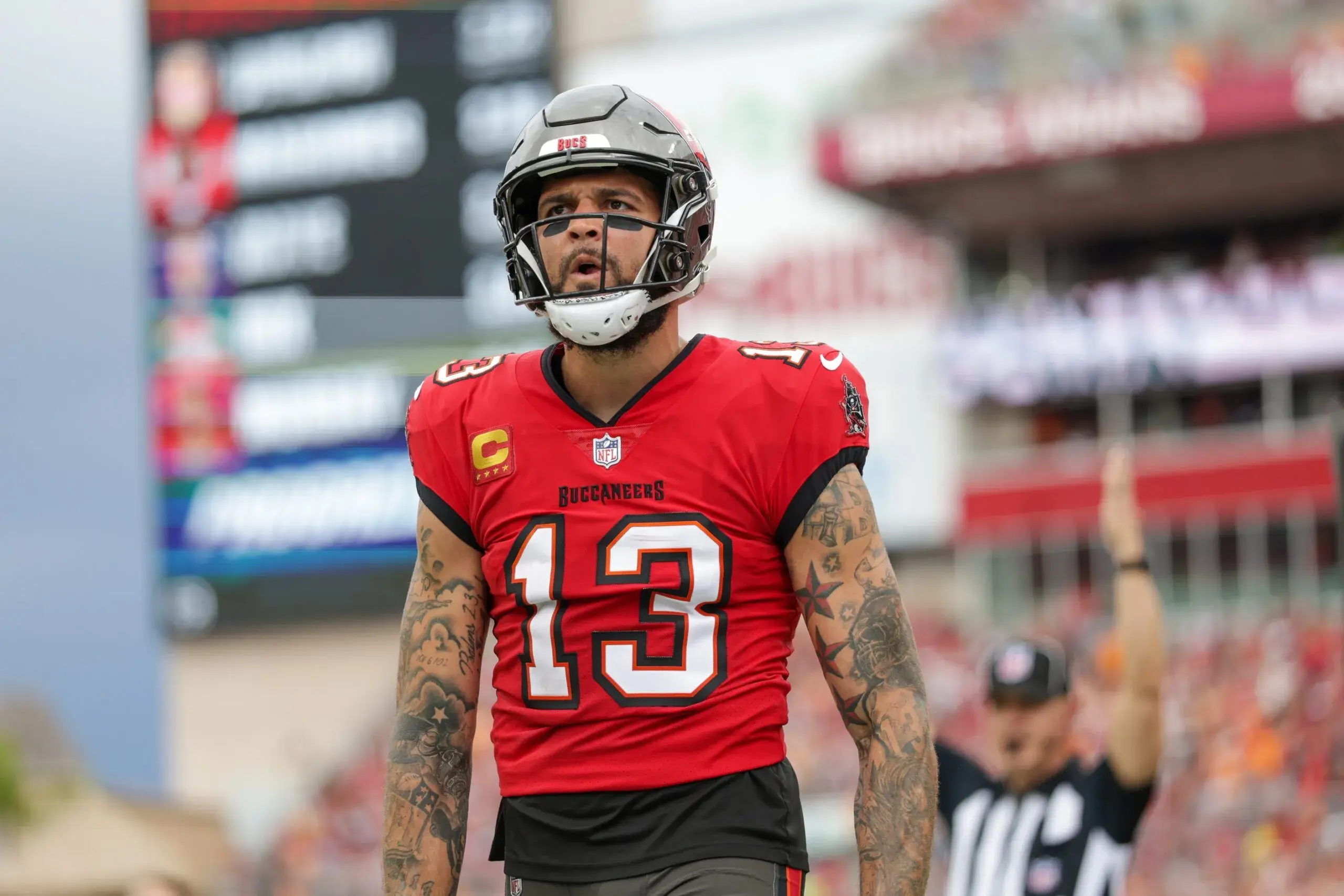
The timing of Evans’ words is also impossible to ignore. Tampa Bay is at a crossroads, balancing respect for recent success with the reality of an evolving NFC. The team has hovered in the middle ground — not bad enough to reset completely, not dominant enough to contend seriously.
That limbo often leads to the most difficult conversations, because incremental change no longer satisfies those who believe in their own championship DNA.
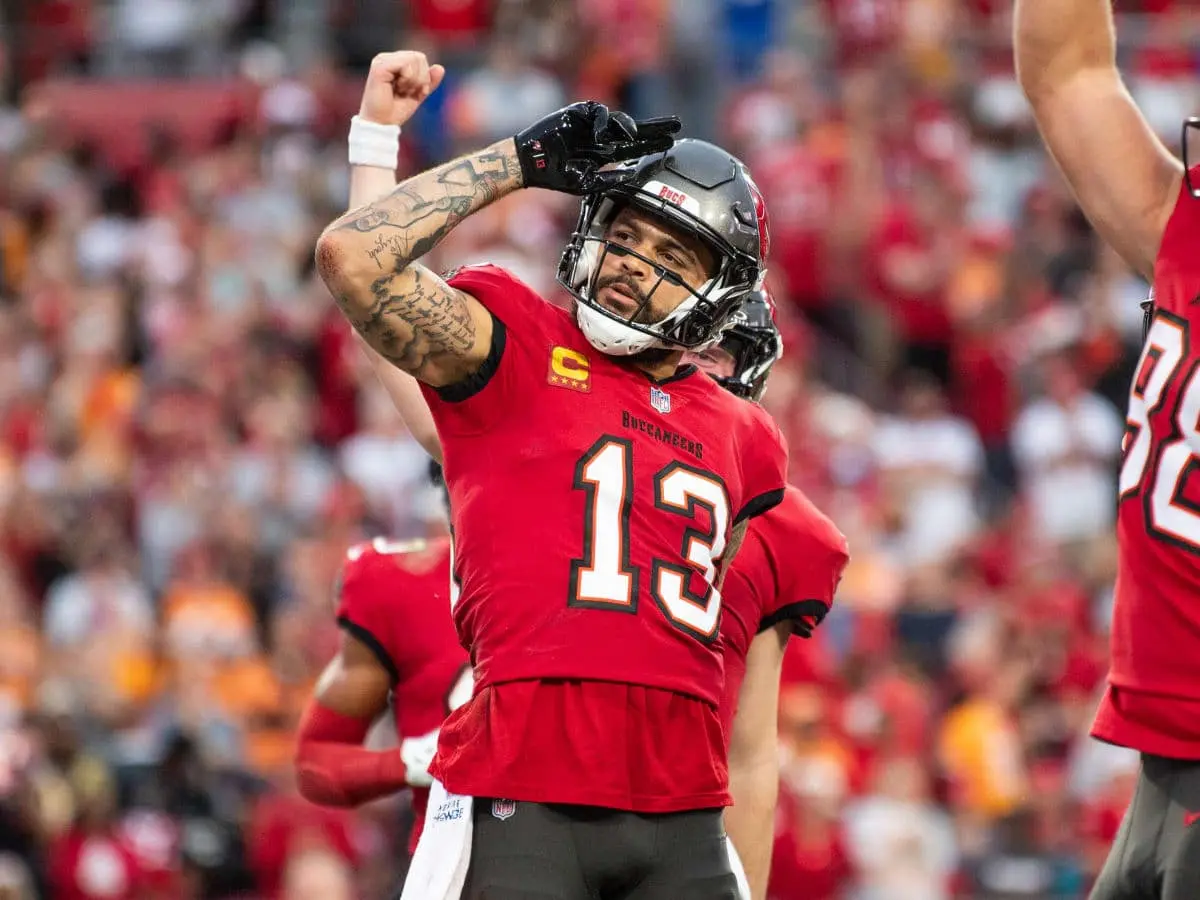
What makes this situation particularly delicate is Evans’ influence. He is not just another Pro Bowl receiver. He is the emotional compass of the franchise, a player younger teammates watch closely. When he speaks, it subtly legitimizes feelings others may be reluctant to express.
That does not mean there is open rebellion or chaos in the locker room, but it does suggest a shift in mood. The unquestioned belief that the current structure will eventually work is no longer universal.
Todd Bowles, for his part, has maintained his composure publicly. He has emphasized accountability, preparation, and trust in the process. Those are admirable traits, yet they can sound hollow when results plateau.
In the NFL, processes are judged by outcomes, and head coaches are ultimately evaluated not on stability, but on momentum. Right now, Tampa Bay’s momentum feels uncertain.
The front office now faces a familiar but uncomfortable dilemma.
Do they interpret Evans’ comment as an isolated moment of introspection from a veteran nearing the later stages of his career, or as a warning sign of deeper discontent? Organizations often choose the safer narrative, but ignoring subtle signals has undone many franchises before.
Rarely does dissatisfaction explode without first whispering.
From a broader league perspective, this is how coaching eras often begin to unravel — not with scandals or blowups, but with quiet sentences that linger longer than intended. A star player speaks honestly, the media amplifies it, and suddenly what was once unthinkable becomes discussable.
Once that door opens, it rarely closes completely.
For Mike Evans, the comment may simply reflect self-awareness and competitive honesty. For the Buccaneers, it may represent something far more consequential. Change in the NFL rarely announces itself with fireworks.
More often, it arrives disguised as reflection, wrapped in restraint, spoken softly by someone who has earned the right to be heard.
Whether Todd Bowles is truly the target or merely the symbol of a system that feels stuck, one thing is clear: when a franchise cornerstone hints that it might be time to move on, the clock starts ticking. Not loudly. Not publicly. But inevitably.