
No one saw it coming. In the electric chill of a January night at Gillette Stadium, with playoff stakes hanging heavy in the air, something unexpected unfolded before the snap even happened.
The New England Patriots, riding a remarkable resurgence under second-year quarterback Drake Maye, hosted the Los Angeles Chargers in the Wild Card round.
The crowd of over 65,000 was already buzzing—tailgates roaring, “MVP!” chants echoing from the lots, and a palpable sense that this team was different from the rebuilding years that preceded it.
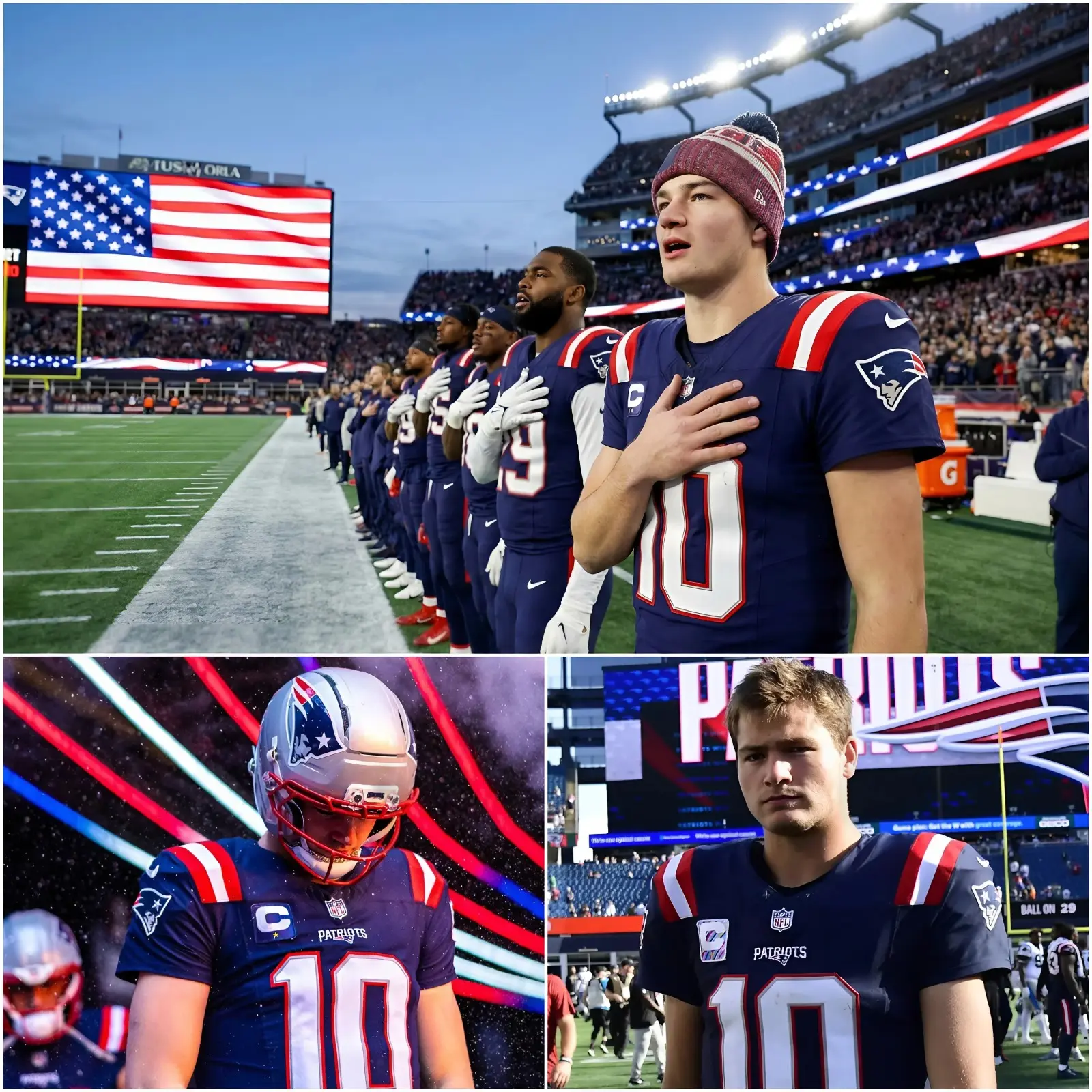
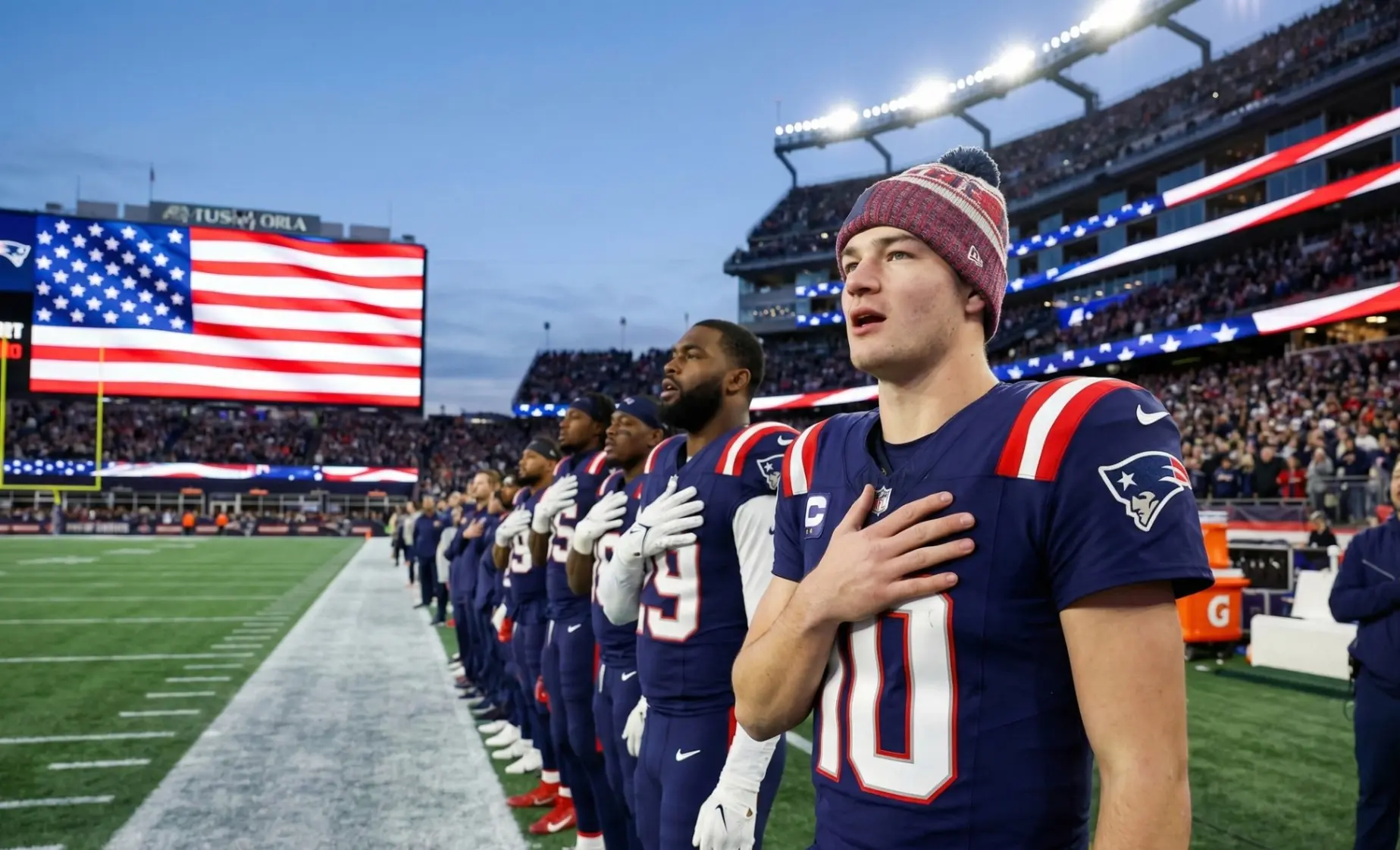
As the national anthem began, the stadium lights dimmed slightly, and the performer stepped forward. What followed wasn’t just a routine rendition; it was a moment that pierced through the usual pre-game pageantry and struck a deeper chord.
The voice carried across the field with raw emotion, each note stretching into the cold air like a promise. Fans who had come expecting football suddenly found themselves frozen, hands over hearts, some wiping away tears they hadn’t anticipated. Phones lowered. Conversations hushed.
Even the most hardened season-ticket holders felt the swell in their chests.
The anthem wasn’t flashy or overproduced. It was honest—delivered with a quiet power that mirrored the quiet confidence Drake Maye had brought to this franchise. No one expected the crowd to be moved like this.
Not here, not now, not in the middle of a playoff buildup where focus usually narrows to schemes, matchups, and turnovers. Yet the performance did exactly that: it reminded everyone why they show up, why New England football still matters after years of uncertainty.
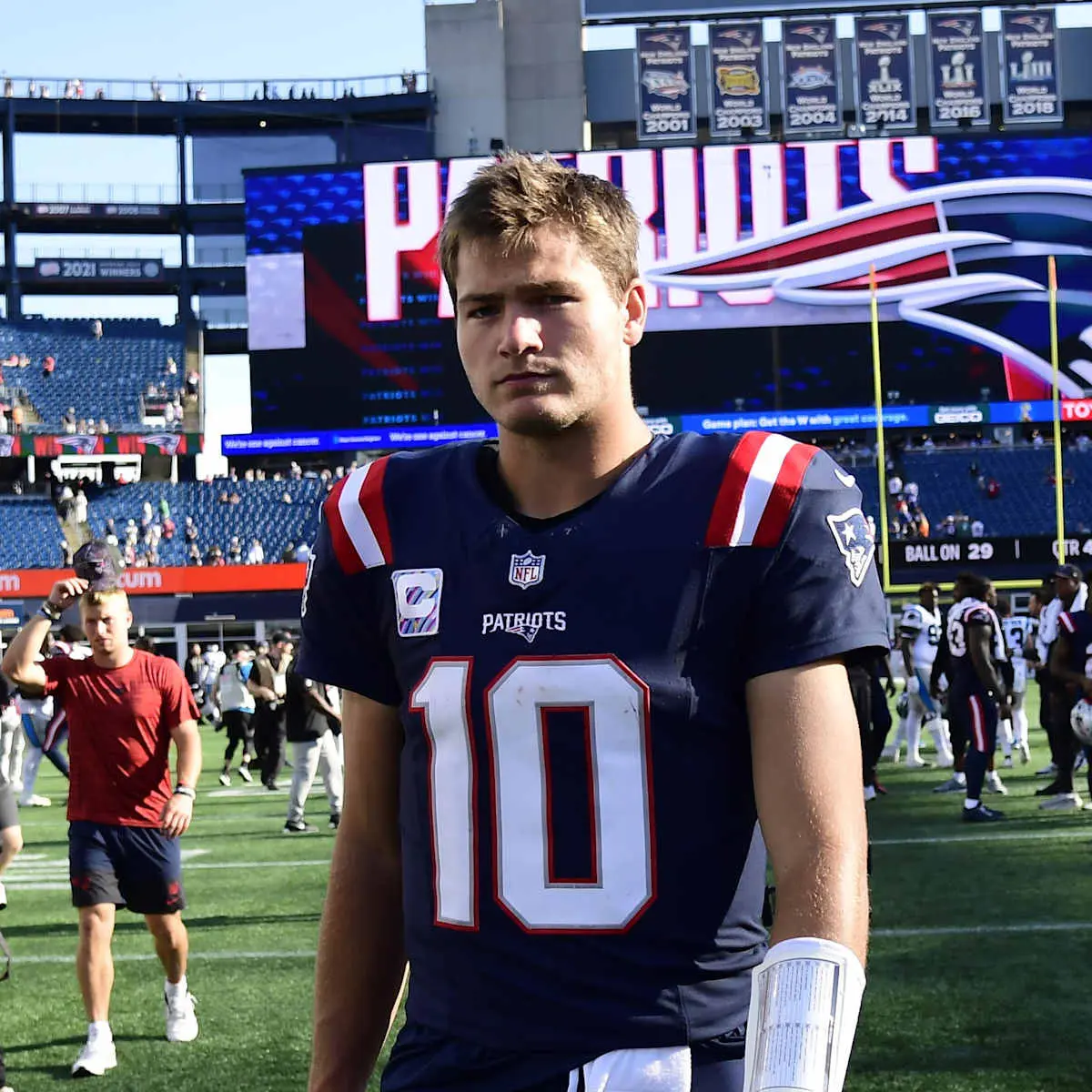
Drake Maye stood on the sideline during those moments, helmet in hand, eyes fixed ahead. The young quarterback, drafted third overall and thrust into the spotlight after a rocky rookie transition, had already become the face of hope for Patriots Nation.
In the regular season, he had turned a 4-13 team into a 14-3 powerhouse, leading the AFC East and earning MVP whispers along the way.
Fans had fallen hard for his poise under pressure, his arm strength, his willingness to run when needed, and most of all, his refusal to make excuses.
Viral songs popped up on TikTok and Instagram—catchy country tunes like “In Maye We Believe,” celebrating the turnaround from last year’s struggles to this year’s dominance. The lyrics captured it perfectly: from the depths to kings of the conference, a quarterback who made believers out of doubters.
But on this night, as the anthem faded and the crowd erupted in applause longer and louder than usual, it felt bigger than one game. Gillette Stadium, once the fortress of Tom Brady’s dynasty, had spent years searching for its next identity.
The chants of “MVP!” that rained down in earlier home wins—against the Jets, Browns, and others—were no longer ironic or premature. They were earned. Maye had delivered in clutch moments: scrambling for first downs, threading tight-window throws, and keeping his composure when the pocket collapsed.
His teammates rallied around him, the defense stiffened under new head coach Mike Vrabel, and the fanbase rediscovered its fire.
The anthem’s emotional impact seemed to linger as the game kicked off. The Patriots’ defense set the tone early, bottling up the Chargers’ offense in a grind-it-out affair. Maye, true to form, didn’t force heroics.
He managed the game with precision—short passes to move chains, timely scrambles to extend drives, and a touchdown connection that put the game out of reach. The final score, 16-3, wasn’t glamorous, but it was dominant in its efficiency. A defense that bent but never broke.
A quarterback who stayed calm amid the chaos. A team that played with belief.
Post-game, the talk turned to Maye’s growth. He had become the youngest player in NFL playoff history to rack up 250+ passing yards and 50+ rushing yards in a victory, yet he deflected praise.
“I wasn’t my best tonight,” he said, pointing to missed opportunities and crediting teammates for picking him up. That humility resonated. In an era of loud personalities and highlight-reel demands, Maye embodied the old-school Patriots ethos: do your job, win the game, move on.
Rob Gronkowski, the legendary tight end watching from afar, captured the sentiment in a fiery statement that echoed across social media: this win was proof of Maye’s character, a rock under pressure, building toward something lasting.
The night wasn’t just about the victory. It was about reclamation. Patriots fans poured into Foxborough hours early, tailgating with renewed energy, wearing “I ❤️ Drake Maye” shirts and jerseys emblazoned with his number 10. The parking lots thrummed with optimism—talk of divisional rounds, deep runs, a new dynasty.
The national anthem had set the tone: a moment of unity before the battle, reminding everyone that football here has always been about more than wins and losses. It’s about heart, resilience, and belief in the guy under center.
As the confetti settled and players hugged on the field, Gillette Stadium felt alive again. The doubters who questioned whether Maye could lead, whether the rebuild would work, whether New England could return to relevance—they were silenced, at least for one night.
No one saw the depth of emotion coming from a simple pre-game ritual. But in that hush, then the roar, the crowd spoke clearly: they believe.
The road ahead is long. Divisional opponents loom, tougher defenses, brighter lights. Yet if this Wild Card win showed anything, it’s that Drake Maye and these Patriots are ready. The anthem moved them. The game proved it. And the future? It looks a lot brighter in Foxborough.